
Saturday, September 26, 2026, 7:30PM ~
“NORTHERN LIGHT”
Soloist: Jon Nakamatsu, piano
Hammer Theatre Center – 101 Paseo De San Antonio , San Jose

Jon Nakamatsu, piano
| Emilie Mayer | Faust Overture, Op. 46 |
| Edvard Grieg | Piano concerto in A minor, Op. 16 Jon Nakamatsu, Piano |
| Jean Sibelius | Symphony N. 3 in C major, Op. 52 |
Side By Side: Fremont High School
Click here for more information about Jon Nakamatsu
Notes from the Conductor
This program brings together three composers who each stood at important moments of artistic change within European musical life. Emilie Mayer, Edvard Grieg, and Jean Sibelius all sought to shape distinctive musical voices while balancing the traditions of German Romanticism with growing ideas of national identity and individual expression. Their careers reflect a period in which composers increasingly looked beyond established cultural centers and embraced the landscapes, literature, and traditions of their own countries as sources of inspiration. At the same time, each composer faced the challenge of creating music that could honor inherited forms while speaking in a fresh and personal language. Heard together, these works reveal a broad cultural movement toward greater individuality, clarity, and emotional directness in orchestral music. They also highlight the diversity of voices that contributed to the development of the symphonic tradition at the turn of the twentieth century, reminding audiences that innovation in music often emerges through the blending of tradition, imagination, and national character.
_______
Saturday, October 24, 2026, 7:30PM ~
“SUNLIGHT AND DANCE”
Soloist: Pepe Romero, guitar
Hammer Theatre Center – 101 Paseo De San Antonio , San Jose
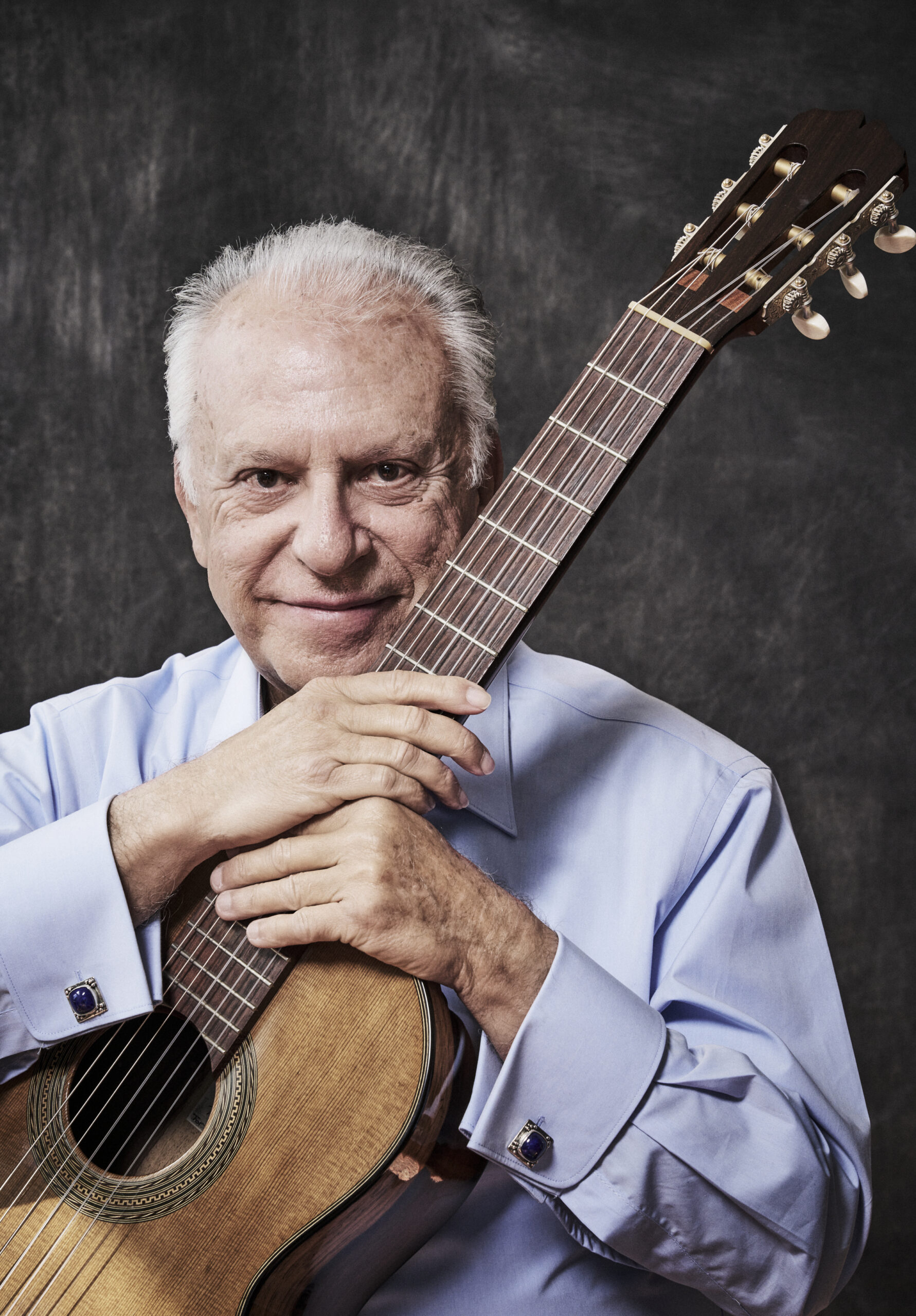
Pepe Romero, guitar
| Juan Crisóstomo Arriaga | Los Esclavos Felices Overture |
| Claude Debussy / Orch. Hubert Mouton | Rêverie (Daydream) |
| Joaquín Rodrigo | Concierto de Aranjuez Pepe Romero, guitar |
| Darius Milhaud | Le Boeuf sur le toit,Op. 58 (The Ox on the Roof) |
| Alberto Ginastera | Ballet Suite La Estancia |
Side By Side: Piedmont Hills High School
Click here for more information about Pepe Romero
Notes from the Conductor
These beautiful works share a strong focus on musical nationalism expressed through orchestral color and rhythm, even though each composer approaches it differently. Rodrigo, Milhaud, and Ginastera each draw directly on dance traditions and folk or popular idioms from Spain, Brazil influenced Parisian culture, and Argentina, transforming them into concert works with sophisticated orchestration. Debussy and Milhaud, while more cosmopolitan in outlook, both move away from heavy German Romantic structures toward lighter textures, clarity, and an emphasis on color and atmosphere as primary expressive tools. They also all reflect early to mid twentieth century shifts in musical language, where composers increasingly broke from strict Classical form and expanded what orchestral music could represent. Whether through impressionistic harmony, neoclassical wit, or rhythmic drive, these works prioritize character, gesture, and sonic imagination over traditional symphonic development. Taken together, they illustrate a shared search for new identities in music, shaped by place, modernity, and changing cultural landscapes.
Sunday, April 4, 2027, 2:30PM ~
“RADIANCE”
Soloist: Ani Aznavoorian, violoncello
Guest conductor: Emily Ray
Narrator: Jerod Tate
Hammer Theatre Center – 101 Paseo De San Antonio , San Jose
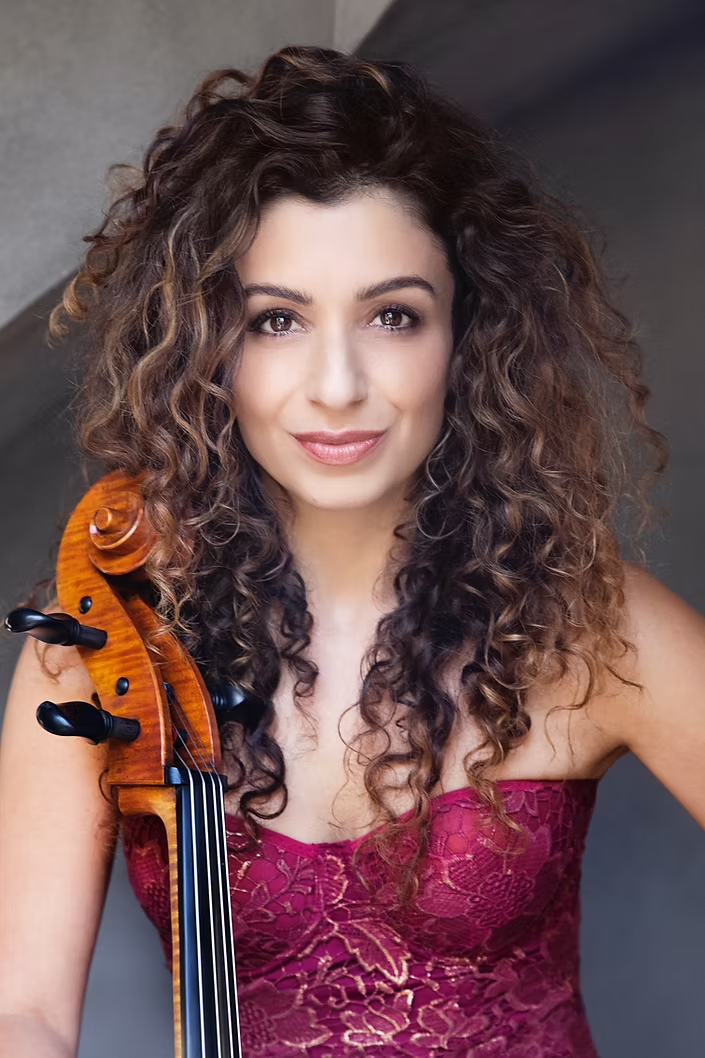
Ani Aznavoorian, violoncello
| Peter Boyer | Radiance |
| Antonín Dvořák | Cello Concerto in B minor, Op. 104 Ani Aznavoorian, violoncello |
| Jerod Impichchaachaaha’ Tate | Spider Brings Fire from Lowak Shoppala’ |
| Ludwig Van Beethoven | Symphony No. 4 in Bb major, Op. 60 |
Side By Side: Prospect High School
Click here for more information about Ani Aznavoorian
Notes from the Conductor
The four works on this concert, while varying greatly in musical style, all portray some form of radiance: light, joy, heat, and beauty. The American composer Peter Boyer’s composition, Radiance, is the newest of the four and features shimmering strings. Also writing in the 21st century and born in the U.S., Jerod Impichchaachaaha’ Tate relies on his Native American roots for musical inspiration in Spider Brings Fire, the Chickasaw legend of how the lowly spider retrieved fire for the world, without getting burnt from the radiant heat. From a different continent and time, Czech composer Antonin Dvorak’s music often contrasts dark with light to produce a radiant beauty, of which his Cello Concerto in B minor is a stunning example. And going back even farther in time, Ludwig van Beethoven, having grown up in the unsettled times of the French Revolution, still managed to write his Symphony no. 4, imbued with levity, beauty, and ebullience. This program unifies four composers from very different times and backgrounds by their quest to radiate hope through music.
Sunday, May 16, 2027, 2:30PM ~
“SUMMER LIGHT”
Soloist: Doreen Ketchens, clarinet
Composer: Ricardo Lorenz
Hammer Theatre Center – 101 Paseo De San Antonio , San Jose
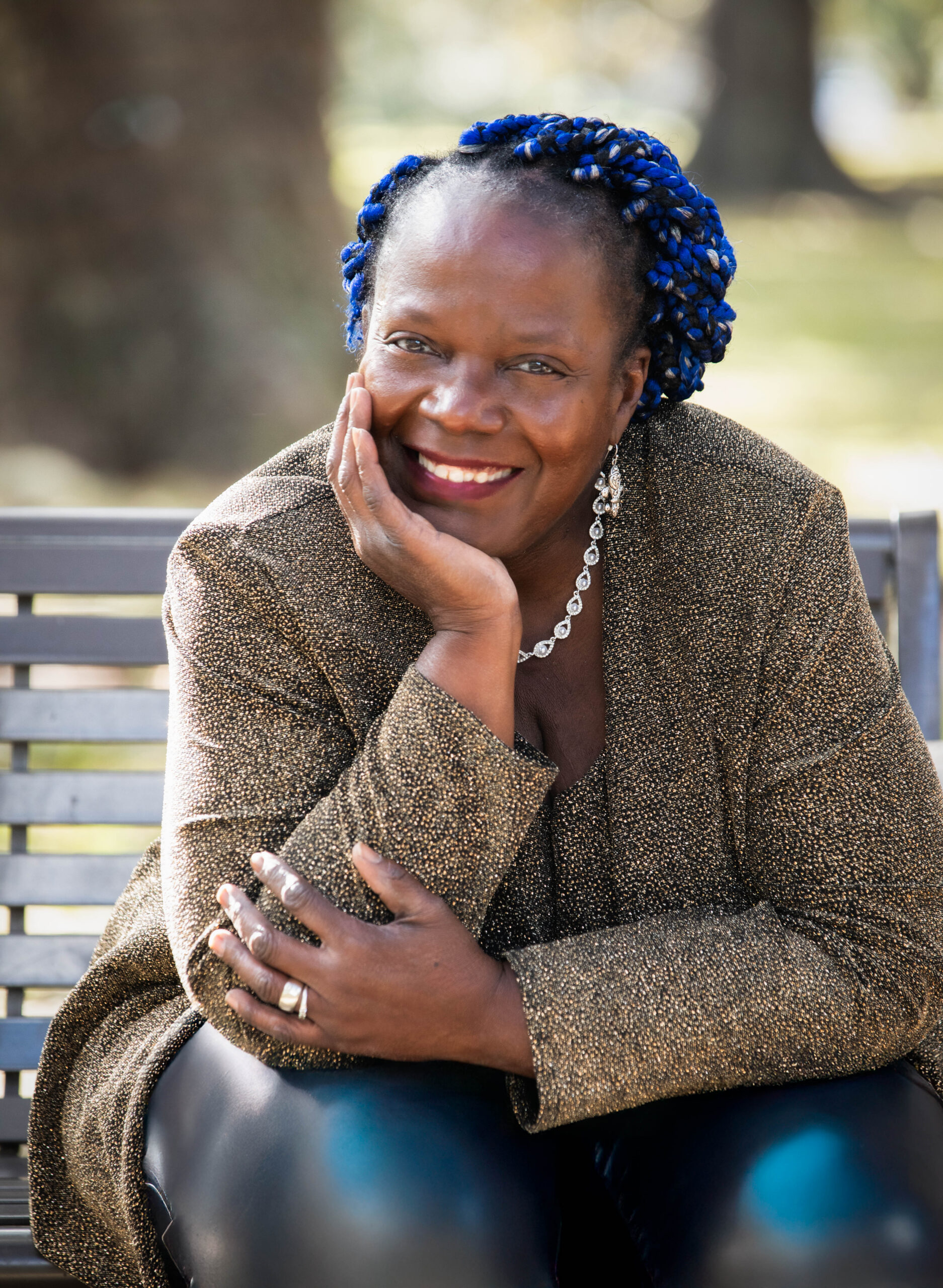
Doreen Ketchens, clarinet
| Kevin Day | Lightspeed |
| Aaron Copland | Our Town |
| Florence Price | Dances in the Canebrakes |
| Ricardo Lorenz | Mission Echoes (World Premier) * |
| Brian Holmes | Death’s Jest-Book Overture |
| Leonard Bernstein | On the town: Three dance episodes |
| George David Weiss | What a wonderful World |
| George Gershwin | Summertime Doreen Ketchens, clarinet |
* Commissioned by the Mission Chamber Orchestra to commemorate its 30th anniversary
Click here for more information about Doreen Ketchens
Notes from the Conductor
The last group of works is united by a shared emphasis on music that draws from living cultural sources while being shaped through concert hall traditions. Composers such as Leonard Bernstein, Aaron Copland, George Gershwin, Florence Price, Kevin Day, and Ricardo Lorenz all engage in different ways with popular, folk, or vernacular musical languages, transforming them into structured orchestral or vocal works. Jazz influenced harmony, dance rhythms, song like lyricism, latin rhythm, and culturally rooted melodic ideas appear frequently, but are reimagined through sophisticated orchestration and formal design. This creates a common identity in which classical technique and everyday musical expression coexist within the same artistic space.
At the same time, these works reflect a broad spectrum of contemporary and twentieth century perspectives on identity and place. Bernstein and Gershwin connect concert music with urban and theatrical life, Copland and Price shape distinctly American musical voices through clarity and openness, Kevin Day represents a modern rhythmic and stylistic fusion shaped by current genres, and Ricardo Lorenz incorporates Latin American rhythmic and cultural influences into orchestral writing that bridges hemispheres. Despite their differences in style and origin, they all share a commitment to expressive immediacy and cultural hybridity, using the orchestra as a flexible medium for storytelling, identity, and reinvention.